

Ashwagandha, the Ancient Adaptogenic Herb
Statistics indicate that stress levels in America are rising, with nearly 63% of the U.S. workforce considering leaving their jobs to escape work-related stress. According to a Harris Poll conducted for the American Psychological Association (APA), the economy, employment, and health issues rank among the top stressors. The World Health Organization estimates that 12 billion workdays are lost globally each year due to anxiety or depression—costing the world economy approximately $1 trillion USD annually.
With the increasing cost of healthcare and reduced access to in-person medical care, self-care has become a critical element of maintaining physical and mental wellbeing.
As APA President Rebecca W. Brendel, M.D., J.D., states, “What’s promising is that many Americans are aware of their mental health needs and taking steps to improve their own mental health.”
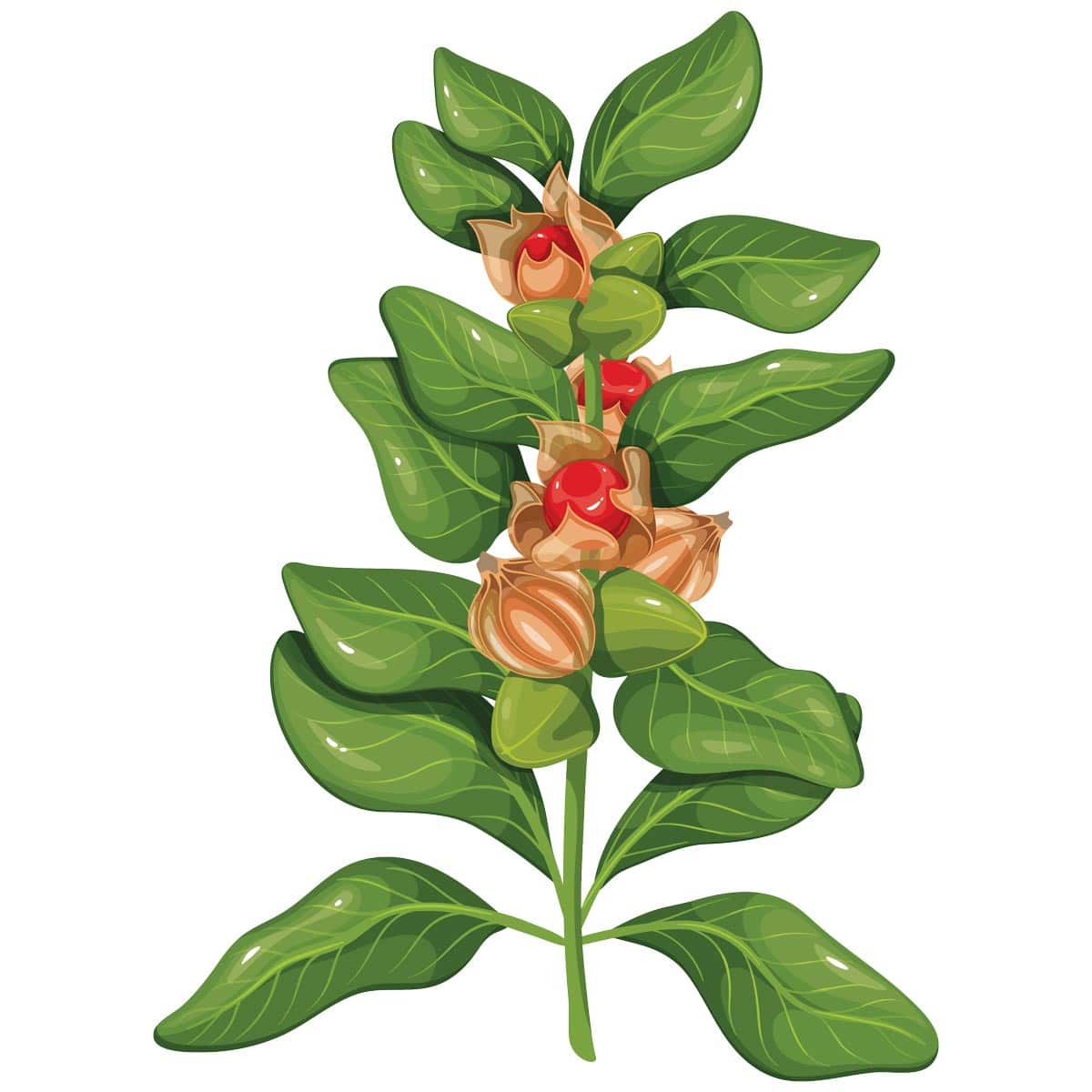
The Ashwagandha Plant, Withania Somnifera
Stress is not a modern-day issue. Humanity has long sought relief from anxiety and worry. Since life began in a garden, it’s only fitting to look to plants as natural sources of healing. One plant, in particular, has stood out both scientifically and practically: Ashwagandha.
Native to the arid regions of India, the Middle East, and parts of Africa, Ashwagandha is a hardy evergreen shrub known by several names, including winter cherry, Indian ginseng, and poison gooseberry.
Traditional Uses
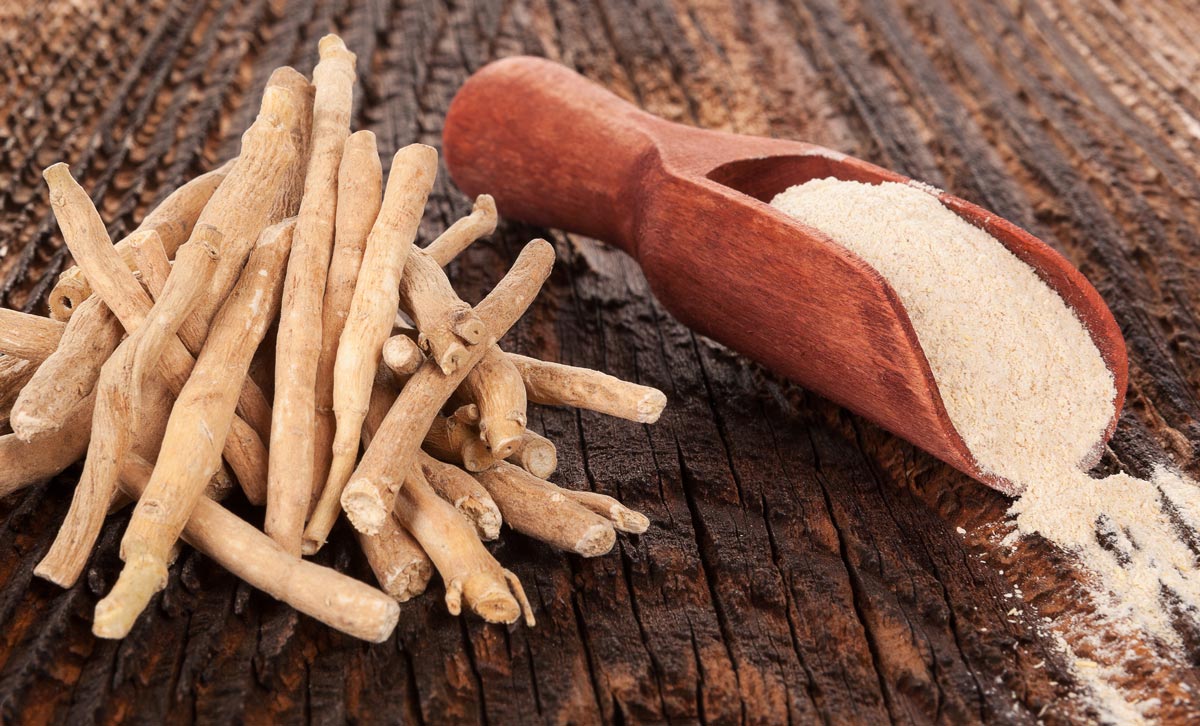
Ancient cultures in India used every part of the Ashwagandha plant—roots, leaves, berries, and bark—for various medicinal purposes.
The American Botanical Society notes that the dried root and entire plant are widely used in Indian folk medicine. Ethnobotanist James Duke, Ph.D., reported that various parts of Ashwagandha have been used as folk remedies for ailments ranging from hypertension and senility to asthma and hiccups.
Today, Ashwagandha has gained renewed global interest due to its adaptogenic properties.
Adaptogen – A natural substance, such as a root or herb, that helps the body adapt to and manage stress more effectively.
The Role of Cortisol
Cortisol is the body’s primary stress hormone, released by the adrenal glands as part of the fight-or-flight response. When faced with a threat, cortisol and adrenaline surge into the bloodstream, elevating heart rate, increasing glucose, and enhancing the body’s ability to repair itself.
Cortisol – A hormone released in response to perceived threats; essential for short-term stress management but harmful in chronic excess.
While this process helps in emergencies, chronic activation of the stress response—from constant work pressure or personal struggles—can cause lasting health damage.
According to the Mayo Clinic, prolonged cortisol exposure increases the risk of:
- Anxiety
- Depression
- Digestive issues
- Headaches
- Muscle tension and pain
- Heart disease, high blood pressure, and stroke
- Sleep problems
- Weight gain
- Memory and focus impairment
Research has shown that Ashwagandha helps balance cortisol levels, supporting a natural rhythm—higher during the day and lower at night.
Less Stress → Balanced Cortisol → Lower Blood Pressure → Greater Wellness
Ashwagandha for Stress Relief
Genetics and life experiences influence how each person responds to stress. Regardless of background, proactive stress management can lead to better health outcomes. Simple strategies like journaling, volunteering, or developing new hobbies can make a significant difference.
Combined with a balanced diet, hydration, and 7–9 hours of quality sleep per night, supplementing with Ashwagandha can further enhance your body’s stress resilience.
Multiple clinical studies support Ashwagandha’s ability to reduce perceived stress and anxiety—often significantly.
TriVita’s Ashwagandha KSM-66® is formulated to reduce stress, promote restful sleep, and aid recovery. Unlike many other products, it contains a full 600 mg serving—the clinically studied dosage shown to deliver measurable results.
Clinical research on the KSM-66 formulation has demonstrated a significant reduction in perceived stress, improved sleep quality, and enhanced morning alertness. By helping normalize cortisol levels, TriVita’s Ashwagandha KSM-66® supports overall wellness and emotional balance.
References
- https://www.stress.org/daily-life/
- APA Stress in America Data
- World Health Organization: Mental Health at Work
- American Psychiatric Association Report
- American Botanical Council: Herb Profile – Ashwagandha
- Mayo Clinic: Stress Management
- Good Housekeeping: Ashwagandha Benefits
- Forbes Health: Ashwagandha Benefits


