A Treasure from the Desert: The Nopalea Superfruit
Do creaky knees and aching joints sound all too familiar? You’re not alone. Arthritis affects more than 6 million Canadians—more than diabetes, heart disease, cancer, and stroke combined. One in five adults across the nation deals with joint pain or chronic inflammation, and the numbers continue to rise.
If you’re looking for hope beyond surgery, constant pain medication, or surrendering to a lifetime of discomfort, consider trying Opuntia ficus-indica, more commonly known as the prickly pear or nopal cactus.
The Nopal Cactus in History & Culture
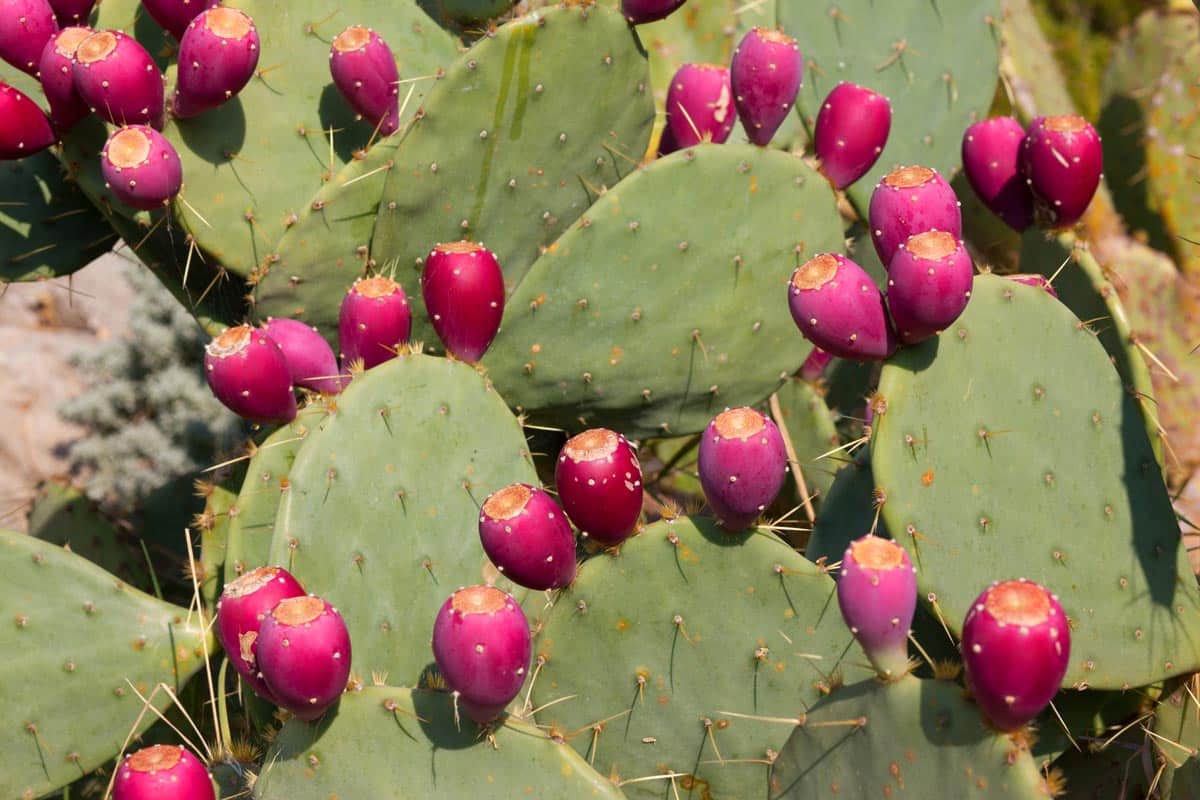
Native to Mexico, the nopal cactus thrives in the arid and semiarid regions of the Sonoran Desert. Discovered centuries ago by the Aztecs, it was used as food, medicine, and even in religious rituals. Following Columbus’s arrival in the New World, sailors used nopal to treat scurvy, and it soon spread across the globe on European ships.
Today, the nopal cactus and its fruit are national symbols of Mexico. They appear on the country’s flag and coat of arms, where a majestic golden eagle perches atop a flowering prickly pear cactus.
Both the green pads and colorful fruit are edible. The pads can be cooked or eaten raw—once the spines and glochids are carefully removed. The fruit can be enjoyed fresh or used to make juice, jelly, and jam.
Resilience in the Harshest Conditions
Calling this plant hardy would be an understatement. The nopal cactus thrives in extreme heat, drought, and even freezing temperatures, growing in nutrient-poor soil where few other plants can survive.
Another name for this plant is la planta de vida, or “life-giving plant,” because even fallen leaves can sprout into new plants. It produces fruit year-round, inspiring the old Mexican saying, “Whoever has a nopal in his house will never go hungry.”
It’s no wonder those living in desert climates have long relied on nopal for nourishment and health.
TriVita’s Nopalea® Supplement: Michael’s Story
During a trip to Mexico, Michael R. Ellison, the founder of TriVita, heard the indigenous Seri people share stories of their ancestors’ strength and resilience living in the harsh Sonoran Desert. Inspired by their words, he reflected, “Somewhere in that desert there is an amazing plant that will be prolific and will help with inflammation.”
“Nopalea –
It is a gift from God, and how it was discovered is amazing.”
~ Michael R. Ellison
Back home, Michael collaborated with scientists at Arizona State University and botanists from the Native American Pima Tribe to study desert plants that supported joint and immune health. The result of their research was Nopalea, a delicious, nutrient-rich drink made from the fruit of the prickly pear cactus.
Since then, Nopalea has become one of TriVita’s best-selling and most beloved wellness supplements.

Our Members Love Nopalea
Every month, TriVita Members share their stories about how Nopalea has improved their health, mobility, and energy levels.
Josette G. says, “The Nopalea makes my neck and joints feel better—I do not have any more pain.” Carol C. adds, “Nopalea helps me feel good, and I have more energy.”
Deborah D. shares,
“Nopalea helps, and I share it.
My whole mental health improves, and it helps me when I’m sluggish. It also boosts my emotional well-being and mobility.”
Diane J. says, “Nopalea is so good, I could drink the whole bottle in one sitting.
I do not have any inflammation at 76. It helps me stay healthy.”
The Benefits of Nopalea
With consistent daily use, Nopalea may help improve your quality of life in the following ways:
- Supports healthy immune function
- Helps prevent vitamin C deficiency
- Promotes strong bones, cartilage, teeth, and gums
- Aids in wound healing and connective tissue formation
- Provides antioxidants for maintaining good health
Don’t wait another day to feel better. Try Nopalea, a delicious and natural way to support joint health and live life with greater comfort and mobility.
References
Arthritis.ca
ScienceDirect.com
FGCU.edu
SurvivingMexico.com
Mexicanist.com