What Supplements Should I Take—and Why?

What Supplements Should I Take—and Why?
Posted on July 17, 2018 by TriVita
By Claudia Harsh, M.D.
There are as many “right” answers to this question as there are people, but we can make some broad suggestions based on what is known about nutrition, health and the research behind vitamins and supplements.
Most vitamins are isolated from plants; in fact there is a lot of data to support the many benefits of a plant-based diet. The problem, however, is that commercially-grown vegetables have less nutritional value now than they did 50 years ago.1
Planting the same fields again and again and a lack of plant rotation are blamed. It makes sense that adding vitamins to a nutritious diet will “fill in the gaps.”
Here’s my vitamin “short list” that I think most people should consider. Understand that our genetic uniqueness implies that none of these recommendations are set in stone. Please review them with your healthcare provider so that they can be personalized to your specific health needs.
1. Omega-3 Fatty Acids
Add a high-quality supplement containing EPA/DHA unless you consume four or more servings of cold-water fatty fish per week. The anti-inflammatory benefits of omega-3 fats are becoming apparent in studies on heart disease, Alzheimer’s, cancer and arthritis.2
2. Folic Acid
Every woman in her reproductive years should take at least 400 micrograms of folic acid daily. Since 50% of pregnancies are unplanned, this reduces the incidence of neural tube defects.
3. Vitamin B-12
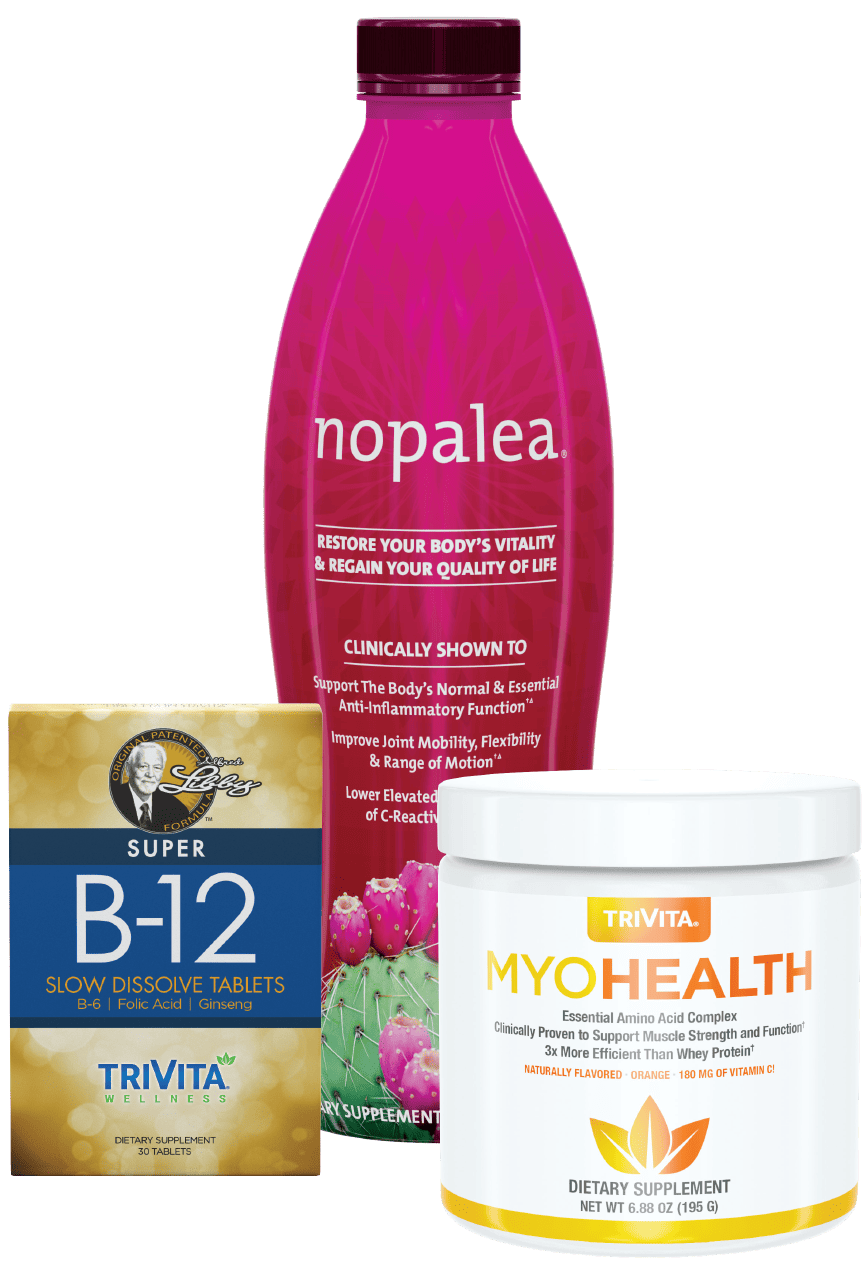
It is well documented that as we age, we don’t absorb Vitamin B-12 as well, and plants do not contain B-12 at all. For this reason, I recommend that all vegan and vegetarian patients take a supplement—preferably a sublingual form.
4. Vitamin D
Get your blood level checked and supplement with D3 until it is between 50–80 ng/dL. Vitamin D is associated with preventing osteoporosis and may be instrumental in preventing cancer and heart disease.
When my patients ask me about vitamins, I ask them about their lives. What do you eat? How much alcohol do you drink? What prescription drugs do you take? (Statins deplete CoQ-10, for example.)
With billions spent on supplements annually, according to the National Institutes of Health, it’s smart for your wellness and your finances to choose wisely.
This article is intended for educational purposes only.
References:
- http://www.nhlbi.nih.gov/health/educational/lose_wt/index.htm
- https://www.ncbi.nlm.nih.gov/pmc/articles/PMC5532176/
Related Articles

His Greatness Within
The path to greater wellness physically, emotionally and spiritually…

How to Change Your Habits and Achieve Your Goals
Humans are creatures of habit and change is difficult…

Regain Your Muscle Strength with Help from a NASA Study
Looking to enhance the health of astronauts in space…

The Cytokine Storm and What You Need to Know
Experts agree chronic inflammation is a risk to humanity…

Healthy Muscles Matter
Why are healthy muscles so important anyway?…