
The Startling Truth About Lithium
The Startling Truth About Lithium
There are many misconceptions about Lithium. Many of us only know Lithium in its high-dose pharmaceutical form, and while it is an established treatment for bipolar disorder and other mood disorders, there is more to this abundant element than most people realize.
Wary of Taking Lithium? Turns Out You Already Are
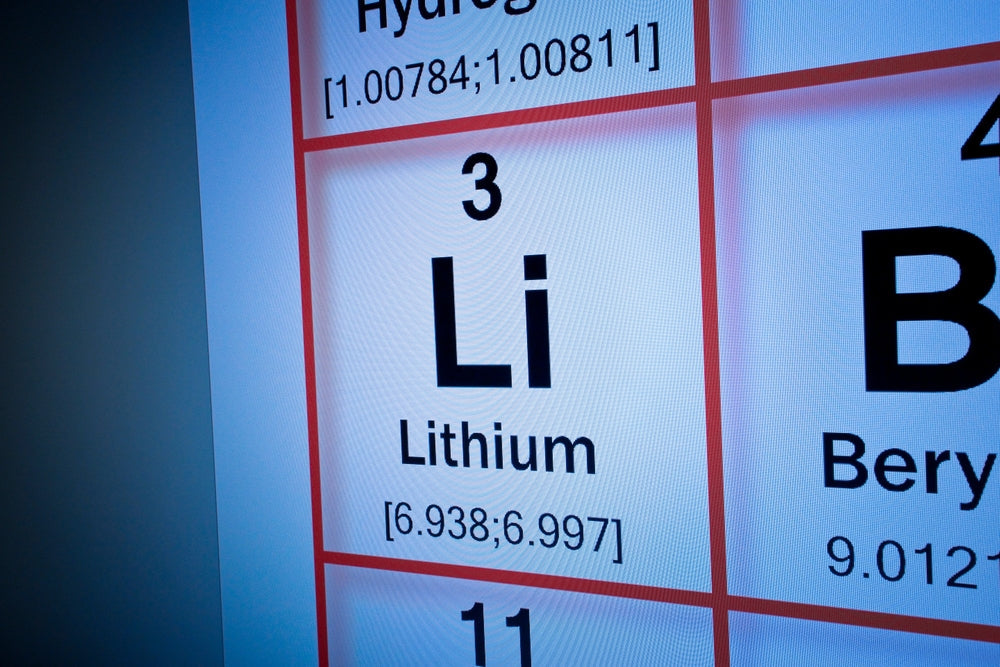
Lithium belongs to the alkali-metal group, which also includes sodium and potassium. This naturally occurring element is found in groundwater across the world — including the United States. Trace amounts of Lithium are naturally present in the human body and can also be found in many foods such as vegetables, nuts, seeds, grains, fish, and even some meat and dairy products.
Lithium Orotate is a specific form of lithium salt that provides the benefits of standard lithium compounds but with higher bioavailability and without the harmful side effects often associated with pharmaceutical doses. When consumed in minimal, natural doses, Lithium has been shown to have important and positive impacts on brain and mental health.

Effects of Low-Dose Lithium
In 1990, researchers examined the correlation between Lithium levels in drinking water and incidences of violent crime across 27 counties in Texas. They found that suicide, homicide, and sexual assault rates were significantly higher in counties with little or no Lithium in the water compared to those with Lithium concentrations ranging from 70–170 micrograms per liter1.
Nearly 20 years later, another study analyzed Lithium levels in the drinking water of 18 municipalities in Oita Prefecture, Japan, over a five-year period. The findings revealed that suicide rates were lower in areas with higher natural Lithium levels, suggesting that even trace amounts of Lithium may reduce the risk of suicide, following a clear dose-response relationship2.
More recently, researchers studying Alzheimer’s patients found that microdoses of Lithium administered over a 15-month period helped stabilize cognitive decline. Participants who received Lithium treatment maintained their cognitive scores, while those in the control group showed measurable deterioration on mini-mental state exams3.
These and other studies suggest that low-dose Lithium may have a beneficial impact on both mood and brain function. While the brain remains one of the most complex organs in the body, science continues to show that small, natural interventions — including trace minerals like Lithium — can support cognitive health and emotional balance.
References:


