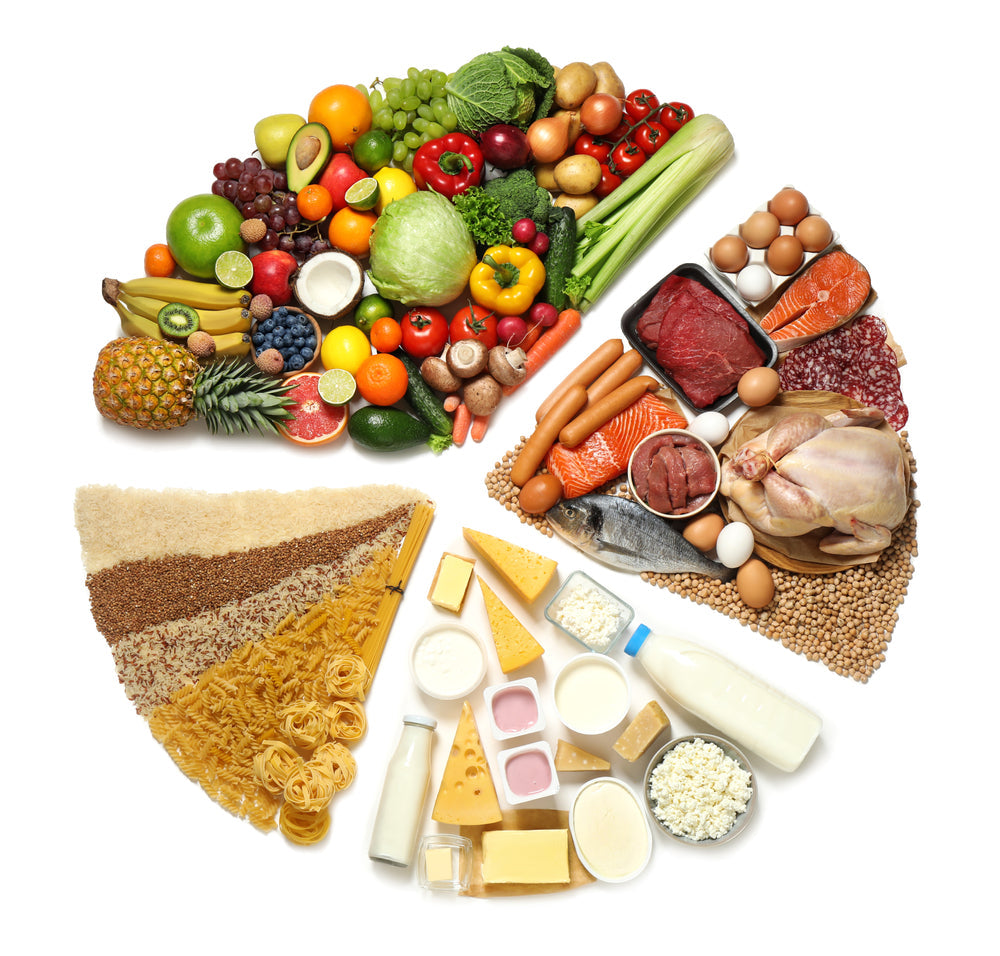
The Inflammation Food Pyramid
The Inflammation Food Pyramid

How do the pieces of an anti-inflammatory diet fit together? This pyramid shows the general guidelines. The base is the foods you should eat the most of; moving up, you see the foods and nutrients you should eat in smaller quantities, or less often.
Nutritional Supplements
A good quality multi-vitamin will help fill nutritional gaps; a multi-strain probiotic taken before bed will support digestive and immune health; and fish oil ensures adequate omega-3 essential fatty acids.
Hydration
Drinking enough water is the simplest way to improve how we feel and function. Aim for 34 ounces daily for every 50 pounds of body weight.
Herbs & Spices
Looking to support metabolism, reduce inflammation, and maximize long-term wellness? Keep your home stocked with ginger, garlic, parsley, oregano, cilantro, basil, turmeric, nutmeg, cinnamon, and cayenne pepper.
Fruit
Two servings per day is optimal for an anti-inflammatory approach. Many fruits are high in sugar; green apples and berries are the lowest-sugar choices.
Complex Carbohydrates
These foods slow the release of glucose (sugar) into the bloodstream and help maintain stable blood-glucose levels—vital for sustained energy and long-term health.
- Grains: Use gluten-free options when possible such as brown rice, wild rice, and quinoa.
- Root Vegetables: Sweet potatoes, yams, butternut squash, acorn squash, parsnips.
- Beans & Legumes: Chickpeas, black beans, pinto beans, adzuki beans, lentils.
Healthy Fats & Oils
High-quality fats support fullness, reduce overeating, and strengthen immune resilience while minimizing inflammation.
Protein
Free-range and organic lean meats, along with wild-caught fish, provide complete proteins and essential amino acids needed to repair tissue and drive healthy metabolism.
Vegetables
Fresh vegetables deliver the highest nutritional return. A rainbow of color and five servings per day help keep antioxidants high and inflammation minimal.
Download a PDF version of this article