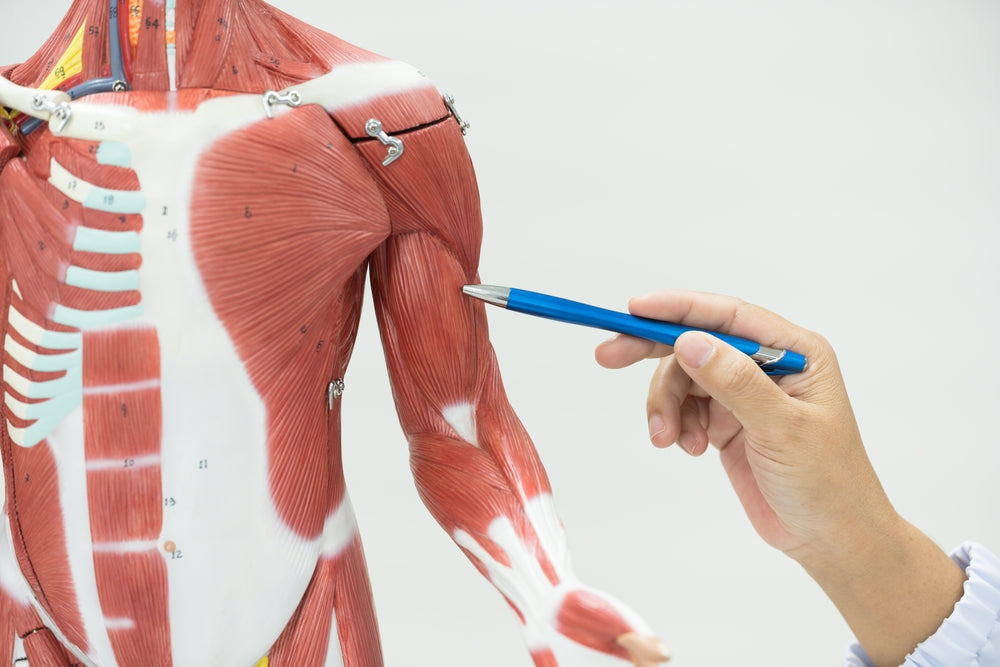
Muscle Structure & Unrealistic Expectations
Posted on October 5, 2017 by TriVita
The idea of building muscle isn’t as simple as it ought to be.
Some people believe in a slimmer and leaner interpretation of peak physical health, while others think that the more “built” they are, the healthier they’ll be. The truth, however, lies somewhere in between. Healthy muscles matter, and that means proper exercise and nutrition — without neglect, and without going overboard.

One issue that keeps many focused on big muscles rather than healthy ones is that we are constantly shown unrealistic examples of muscular ideals — particularly in film.
It’s almost a rite of passage now for Hollywood actors to take roles requiring them to “bulk up” for several months. Some of the most notable examples include historical epics like Troy, where Brad Pitt looked almost like a demigod, and 300, which gained so much attention for its actors’ abs that it inspired its own workout programs.

We see countless examples in action films, superhero movies, and sports dramas. Jake Gyllenhaal, for instance, was almost unrecognizable as boxer Billy Hope in Southpaw. We see these examples and aspire to look the same — forgetting, of course, that these actors are paid millions to focus intently on fitness for months, with professional trainers, chefs, and medical support.
We also encounter these same physiques in video games, where musculature can be even more exaggerated. From 3D fighting games to mobile apps and online slots, Marvel and DC heroes dominate screens with idealized, hyper-muscular physiques.

Even in real life, sports figures often embody nearly unattainable examples of physical perfection. Consider LeBron James — approaching his mid-thirties and still one of the most physically dominant athletes on the planet. He stands tall, appears to have no body fat, and his muscles seem sculpted by an artist. Yet his fitness reportedly comes at a price of about $1.5 million a year in training, recovery, and nutrition.

Having large muscles can be great, and with time, effort, and expertise, some people can achieve an impressive build. But for most, it’s essential to remember that many societal “ideals” are based on extreme, highly managed examples.
True health isn’t about pure size — it’s about balance, strength, endurance, and well-being. Focus on building your own healthiest version of yourself, not replicating an actor, athlete, or fictional character.
Related Articles

Regain Your Muscle Strength
Unlocking Enhanced Strength & Stamina
A Better Approach to Muscle Recovery