Good Gut Practices for Better Immunity
Good Gut Practices for Better Immunity
Posted on October 29, 2018 by TriVita
A complex ecosystem of bacteria lives within your digestive system. Research is beginning to link problems ranging from autoimmune diseases, obesity and clinical depression to immune dysfunction starting in the gut.
Approximately 70 percent of your immune system resides in your intestines. “The human gut plays a huge role in the immune function,” explains Dr. Natalia Shulzhenko, researcher, assistant professor and physician in the OSU Department of Biomedical Sciences. “This is little appreciated by people who think its only role is digestion. The combined number of genes in the microbiota genome is 150 times larger than the person in which they reside. They do help us digest food, but they do a lot more than that.”
In a healthy person, microbes in the gut stimulate the immune system and the two communicate clearly. However, overuse of antibiotics, poor diet and modern lifestyle can result in an unhealthy gut and miscommunications between the two systems. Furthermore, dysfunctional microbiota might be linked to chronic inflammation, which is a component of many common illnesses seen today.
5 Ways to Support Your Gut
When your gut health is on point, you are less likely to experience digestive upsets, inflammation and weakened immune response. So, how should you care for your belly? Here are five good gut practices to implement for health.

1. Improve Your Diet
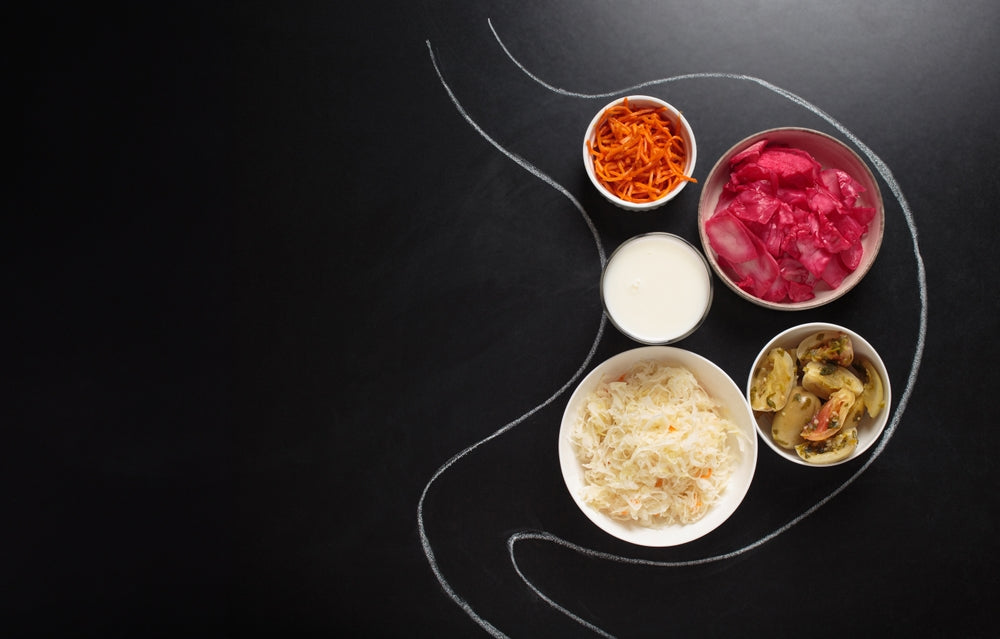
When you provide your body with the right nutrients, you’ll feel more energized, alert and your body will thank you. Fill your plate with high-fiber, low-glycemic carbs such as leafy greens and cruciferous vegetables. Including more fruits and vegetables in your diet will build up good bacteria in your gut. Also include fermented foods, which are rich sources of probiotics, like kimchi, sauerkraut, kefir and pickled ginger.
2. Exercise More
It’s no surprise that exercise helps promote a healthy body, but research from San Francisco University has found an unexpected factor affecting our microbiomes. Study participants with the best cardiovascular fitness have a higher firmicutes-to-bacteria ratio in the gut. Firmicutes are associated with the metabolic process that prevents leaky gut syndrome. Leaky gut occurs when undigested food, bacteria and allergens slip through the GI tract and enter the body via the bloodstream. Regular exercise is essential for maintaining healthy body weight and warding off digestive problems.

3. Get Enough Sleep
Lack of sleep can severely impact your mood, memory and is linked to a higher prevalence of obesity, which sets the stage for digestive mayhem. The National Sleep Foundation recommends that adults get 7 to 9 hours of sleep per night.

4. Manage Your Stress
Emotions such as anger, anxiety and overall stress can trigger symptoms in your gut. It’s not entirely clear how stress affects digestive upsets – or vice versa – but research shows that they often appear together. Try implementing relaxation techniques like deep breathing, meditation, yoga, tai chi or repetitive prayer.

5. Work With Your Physician
If you have specific concerns such as constipation or bloating, it's important to work with your health care provider to find appropriate solutions. An integrative physician can recommend particular foods, activities and perform a variety of tests to determine if certain nutrients are lacking. Adding daily probiotics or prebiotics might also be a smart option. Quality supplements can help maintain good gut flora, supporting digestive and immune health.